Choose connected lighting around the people using the room, color and dimming needs, rental restrictions, existing fixtures, and the familiar wall switch.
Our advice is based on published information and the use cases explained below. Manufacturer links in this guide are ordinary links, not paid placements. How links work.
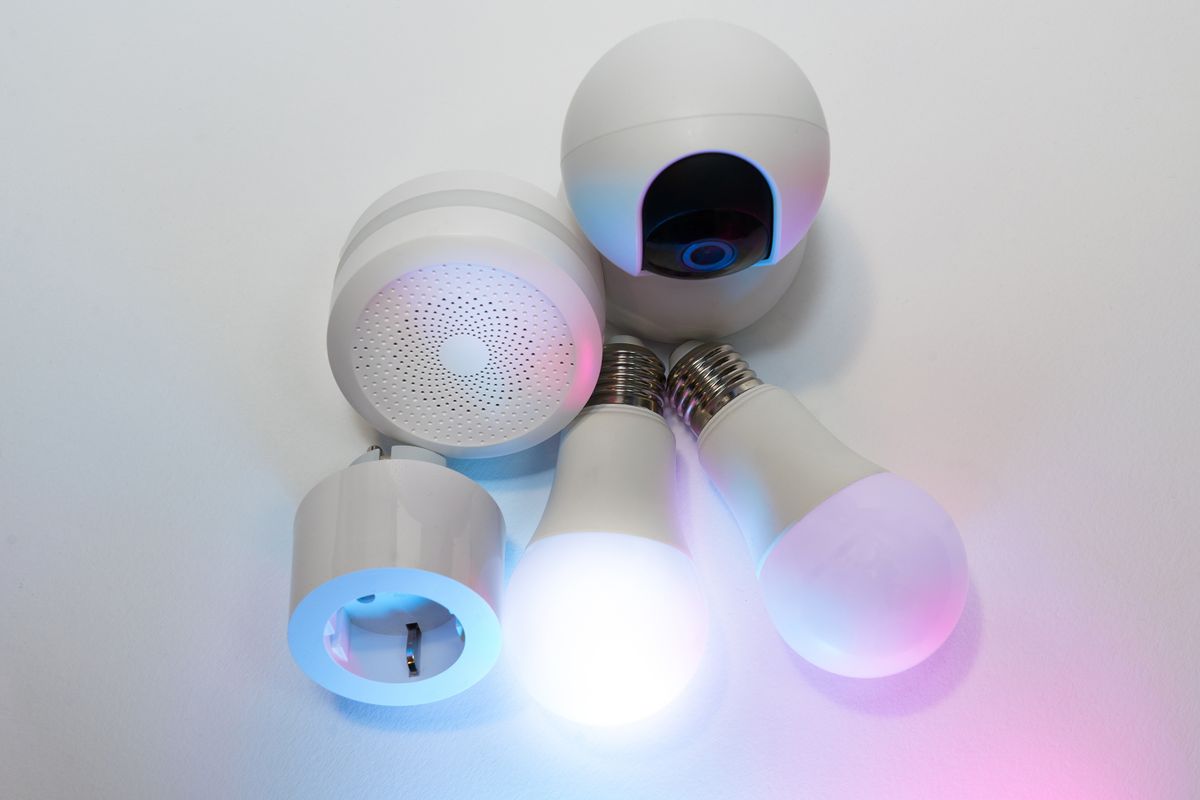
Smart bulbs suit portable lamps and rooms where color or adjustable white light is useful. Smart switches can make sense when controlling a whole compatible lighting circuit from a familiar wall position matters more. TechPixl Editorial recommends choosing the household interaction first, then verifying fixture and installation compatibility. Permanent electrical work requires the right equipment and qualified help where appropriate.
Begin with the person at the wall
Imagine a visitor entering the room. If they press the ordinary switch, what happens to your carefully configured smart lights? A bulb that needs continuous power may become unreachable when the switch is turned off. The routine must work for the people who live there and for occasional guests, not only for the person who installed the lighting app.
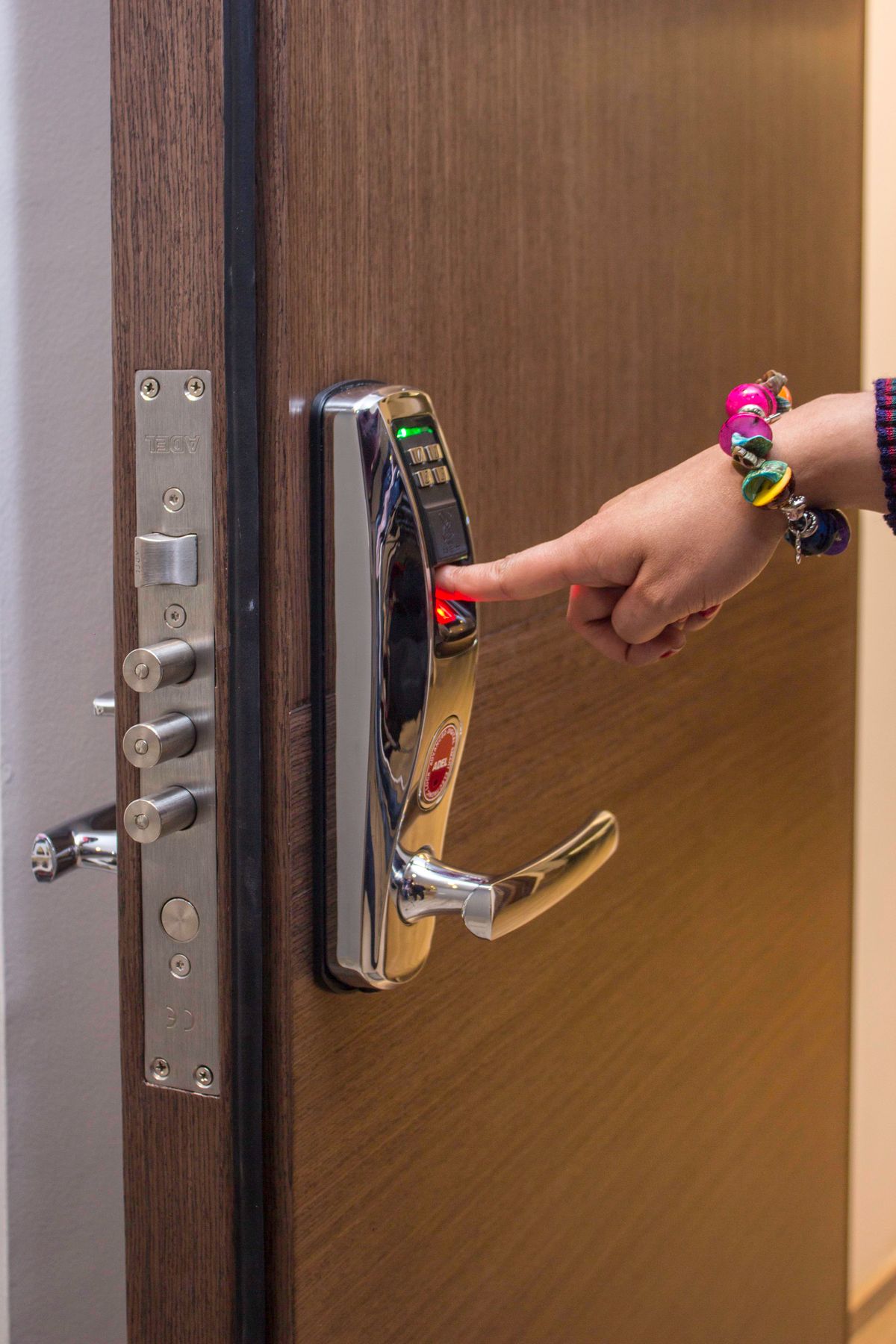
Decide whether the room should use a familiar wall control, a portable remote, a phone, or a schedule. Philips Hue describes several lighting and control options, while Lutron's Caséta range illustrates a switch-centered approach. These are different ways to design everyday interaction; neither is automatically the best answer for every room.
Bulbs are flexible when the fixture allows them
A compatible smart bulb can be a straightforward way to change a desk or floor lamp without permanent wiring changes. Check the socket, bulb dimensions, fixture restrictions, and the light output you need. A decorative shade can conceal a large bulb, but it may also change how the light looks in the room. Do not buy by the bulb's color photograph alone.
Color-changing lighting is useful if you genuinely want different scenes. For reading, cooking, and ordinary evening use, brightness and an appropriate white tone may matter more. Paying for millions of possible colors is less compelling when you will use one comfortable setting throughout the week. Match the capability to a real habit.
Switches can control a room more consistently
A smart switch or dimmer can operate compatible lighting at the circuit level, allowing ordinary wall interaction to remain central. This may suit ceiling lights used by several people. However, compatibility depends on wiring, load type, fixtures, and the exact control. Read the manufacturer's model-specific guidance instead of assuming any smart dimmer can replace any existing switch.
Installation can require permission and electrical work. Renters should check the lease and property requirements before planning changes. Where qualified installation is appropriate or required, include that cost from the start. A low hardware price does not represent the complete purchase if professional labor and additional compatible components are necessary.
Dimming and color are separate decisions
A smart switch does not add color-changing ability to an ordinary white bulb. A smart bulb's own dimming controls do not establish that it works correctly behind an existing wall dimmer. Check the approved combinations explicitly. Mixing equipment without a supported plan can create unreliable behavior and an installation that is difficult for the household to understand.
For a reading corner, a dimmable connected bulb with a suitable physical remote might be sufficient. For several ceiling fixtures that always operate together, a compatible switch can be more logical. For a room that needs independently controlled lamps, one circuit-level switch may not provide the flexibility you are actually trying to buy.
Think through networking and recovery
Some systems use a bridge or hub, while other products connect differently. Check what is required for your chosen setup and which functions remain available during an internet interruption. Do not assume that every feature works without the manufacturer's service simply because the lights can be controlled locally under some conditions. Remote access, voice control, and scheduling may have separate dependencies.
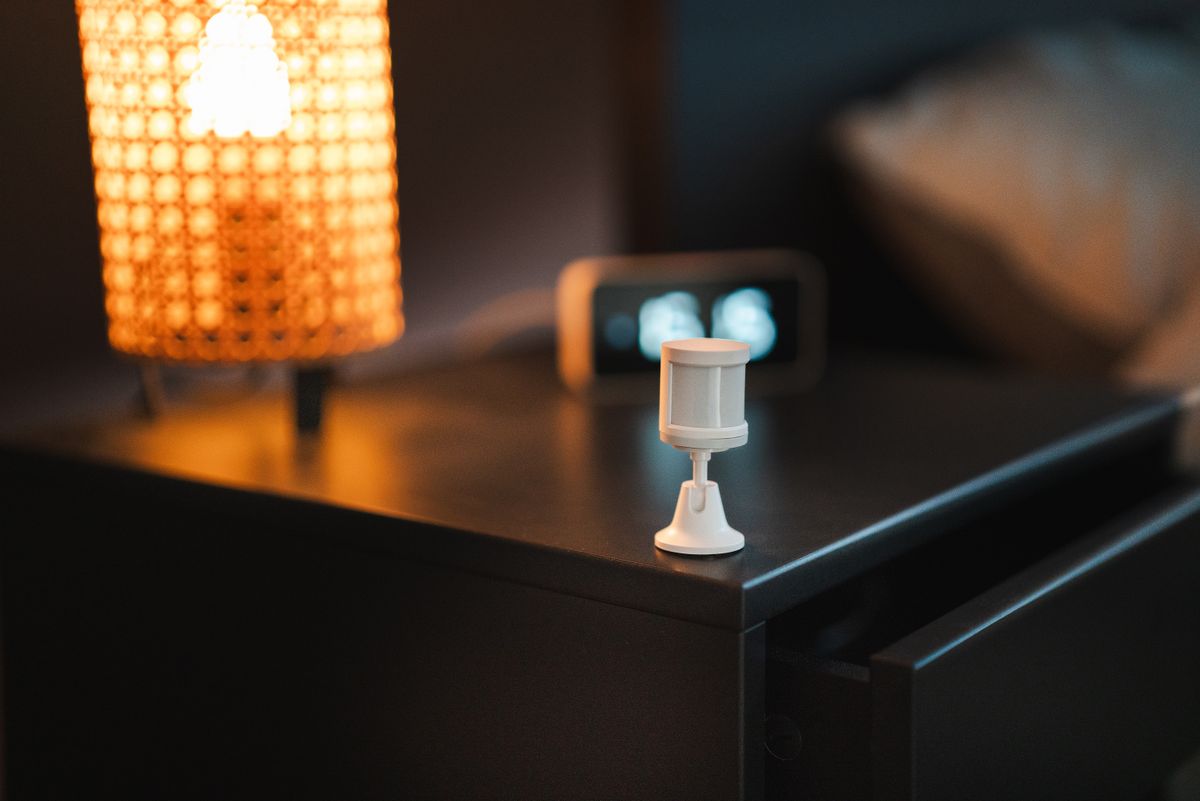
Also learn what happens after a power cut and how to restore manual control. A bedside light turning on unexpectedly at full brightness may be more important to your daily experience than an advanced automation you rarely run. Keep setup codes and reset instructions somewhere you can find them when changing phones or moving home.
Build one room before buying the house
Begin with a single lamp when exploring smart bulbs. Begin with one clearly suitable circuit when considering switches. This gives you a chance to assess the controls, app, and household response before committing to a larger system. If someone finds the routine confusing, adjust the interaction before adding more equipment.
TechPixl Editorial would buy around a specific room plan with verified compatible parts. Compare the official bulb or switch instructions, required bridge, useful controls, and installation costs together. The right purchase makes turning on the light easier at the moment you need it; additional scenes and automations are worthwhile only after that basic task works well.
Choose for the way you use it
| Use case | Look for | Tradeoff |
|---|---|---|
| Portable reading lamp | Compatible smart bulb and physical control | Wall power usually needs to remain available |
| Whole lighting circuit | Approved switch, fixture, and wiring combination | Installation and permission may be required |
| Color scenes | Bulbs or fixtures with actual color control | Costs more than simple on-off needs |
Before you buy
- Check socket, fixture size, and supported dimming combinations.
- Choose a physical control everyone understands.
- Confirm any bridge and network requirements.
- Include permitted professional installation where needed.
Common questions
Can I put any smart bulb behind a dimmer?
Do not assume so. Follow the bulb and dimmer manufacturers' compatibility guidance for the exact combination.
Are smart switches always better for families?
Not always. Familiar wall control can help, but room layout, installation constraints, and the need for independent lamp or color control can favor another approach.
Sources & further reading
Official information consulted October 19, 2026. Buying recommendations and use-case judgments are TechPixl editorial analysis.