Choose a portable speaker around stable placement, cleaning instructions, dry charging, and the exact limits behind its dust and water-resistance rating.
Our advice is based on published information and the use cases explained below. Manufacturer links in this guide are ordinary links, not paid placements. How links work.
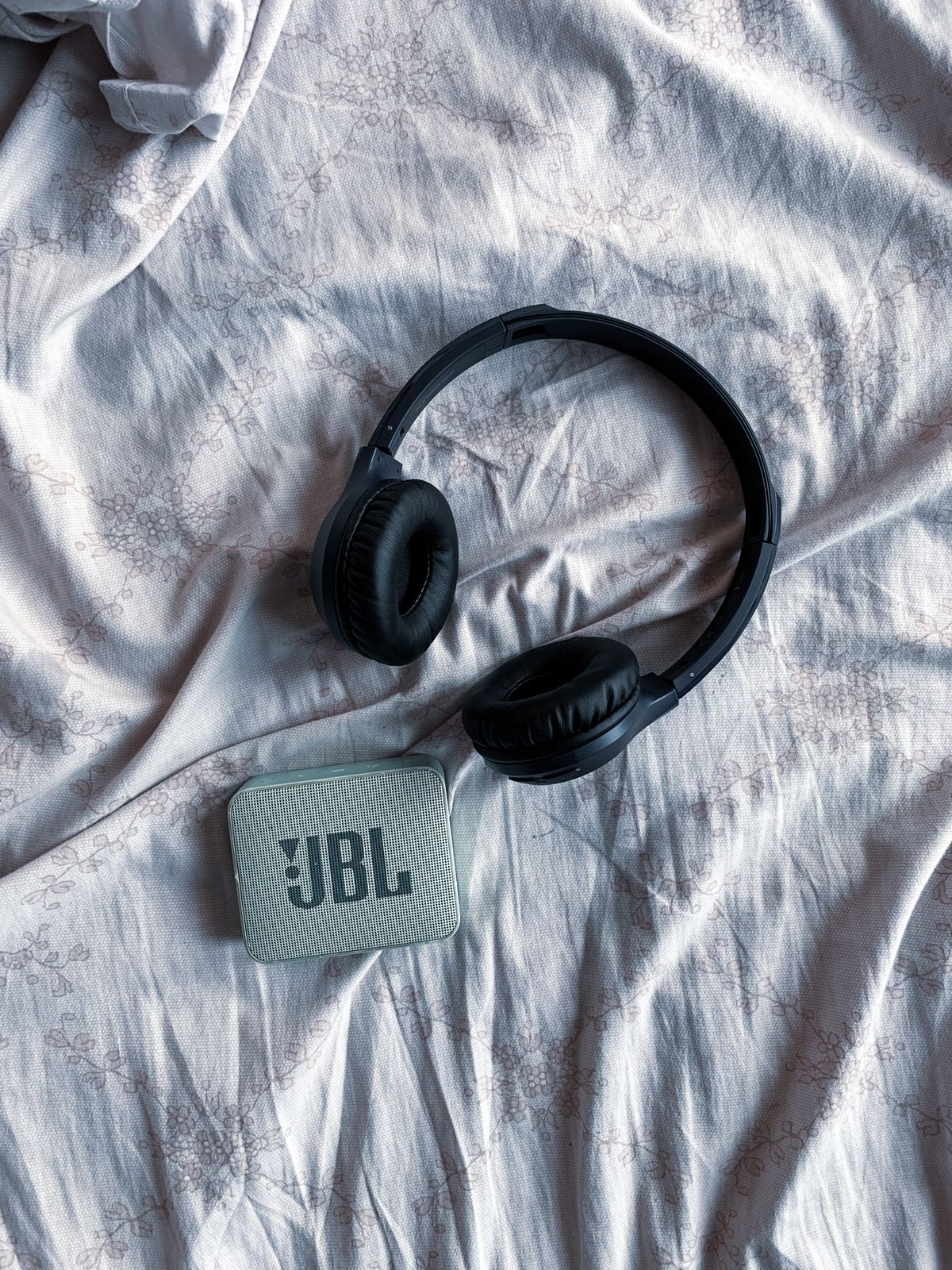
For a speaker that moves between a kitchen counter and an outdoor table, prioritize documented dust and water resistance, stable placement, usable controls, and a dry charging routine. TechPixl Editorial would treat a rating as protection under specified conditions, rather than permission for careless exposure. The JBL Flip 6 is an example with published IP67 information, not a claim that we have tested it against kitchen spills or outdoor accidents.
Plan the ordinary route between rooms
A useful household speaker may spend the morning playing a podcast during breakfast, the afternoon on a patio table, and the evening back inside for charging. That routine calls for easy carrying and a clear place to set it down. Before comparing models, identify where it will live in each location and how close those positions are to a sink, food preparation, table edge, or direct weather.
Choose placement before relying on a durability promise. A stable, dry section of counter away from heat and splashes is better than balancing the speaker beside the tap. Outdoors, think about wind, uneven furniture, and people moving dishes around. A product that stays in a sensible place faces fewer avoidable accidents, regardless of the protection claimed on its packaging.
Read the exact rating and its conditions
JBL publishes IP67 dust and water-resistance information for the Flip 6 and explains its stated water condition as immersion to one meter for up to thirty minutes. That is a specific manufacturer-documented protection example. It should not be stretched into a claim about hot liquids, steam, strong water jets, cleaning products, salt exposure, or every other situation a kitchen or outdoor gathering might create.
Check the model designation carefully because nearby products in the same family can have different instructions. An unfamiliar rating, a broad 'outdoor' description, and a water-related marketing image are not interchangeable evidence. Read the owner's instructions for use, cleaning, port handling, and storage. Ask the maker about your intended setting when the documentation does not clearly address it rather than relying on an assumption at checkout.
Separate listening from charging
JBL's charging guidance for supported speakers, including the Flip 6, says the charging port must be completely dry before connecting power. Build that into the routine: bring the speaker inside, inspect it, and follow its drying instructions before charging. A water-resistance rating does not make a wet charging connection acceptable. Keep the power supply and electrical outlet in an appropriate dry location as well.
Think about who will plug it in. If several household members use the speaker, give it a recognizable charging position and communicate the dry-port requirement. Avoid leaving a cable beside the sink where connecting it becomes an automatic habit. A simple routine is easier to maintain than expecting everyone to remember technical details after each outdoor meal or a busy evening of washing dishes.
Check controls you can operate in real life
During food preparation, a clear pause or volume button may be more useful than a complicated app feature. Consider control size, labeling, and whether a phone must remain nearby for the task you want. Do not interpret this as permission to handle electronics with wet or messy hands; choose a position and workflow that let you pause safely and keep the product clean according to its instructions.
Check connection and sharing behavior too. If a partner wants to play something from another phone, learn how the speaker changes sources. Multi-speaker pairing, stereo operation, and compatibility with an existing speaker vary by model and product generation. Read the exact pairing-system information before buying a second unit. A familiar brand name alone does not establish that two speakers will combine in the way you expect.
Choose size around carrying and listening distance
A compact speaker can be easy to move and put away, while a larger model demands more counter space and a more deliberate place in a bag. Compare dimensions and weight with the shelf and carrying routine you already have. Avoid buying a large speaker solely because outdoor use sounds demanding if the actual setting is a few people sitting around a small table at a considerate volume.
Published output and runtime figures do not describe every environment or listening habit. Check the stated conditions and leave room for an evening that lasts longer than planned. Consider whether the package includes the charging equipment you need and whether a handle, strap, or protective carrying option would actually help. Extra accessories should solve an identified problem rather than turn a simple kitchen purchase into an expensive bundle.
Make care and support part of the shortlist
Read cleaning guidance for the exact speaker before exposing it to food residue, sunscreen, or other substances common around the home and outdoors. A water rating is not a cleaning recipe. Keep the instructions accessible and inspect for visible damage after an accident. If anything about the enclosure or charging behavior seems wrong, follow support advice rather than deliberately recreating an immersion test to prove that the rating still applies.
TechPixl Editorial would compare a few well-documented portable models using size, controls, intended exposure, charging needs, and local support. Use official protection information to narrow the choice, then choose the speaker that fits a realistic placement and care routine. The worthwhile purchase is convenient enough to use every day and straightforward enough that the household understands both its useful protection and its practical limits.
Choose for the way you use it
| Setting | Prioritize | Do not assume |
|---|---|---|
| Kitchen counter | Stable dry position and accessible controls | A rating covers steam, oils, or cleaning chemicals |
| Outdoor table | Appropriate documented protection and easy carrying | Every exposure is covered by an immersion rating |
| Charging after outdoor use | Completely dry port and maker instructions | Water resistance makes wet charging acceptable |
Before you buy
- Read the exact model's rating and owner instructions.
- Choose a stable position away from heat, splashes, and edges.
- Make dry charging a clear household routine.
- Verify pairing compatibility before buying additional speakers.
Common questions
Does IP67 mean a speaker is safe in every wet situation?
No. Read the manufacturer's stated conditions and care instructions. Do not extend a rating to steam, chemicals, hot liquids, or other exposures without explicit guidance.
Can I charge a Flip 6 as soon as I bring it in from the rain?
JBL says the charging port must be completely dry before connecting power. Follow the model's instructions and keep the power connection in an appropriate dry place.
Sources & further reading
Official information consulted October 19, 2026. Buying recommendations and use-case judgments are TechPixl editorial analysis.