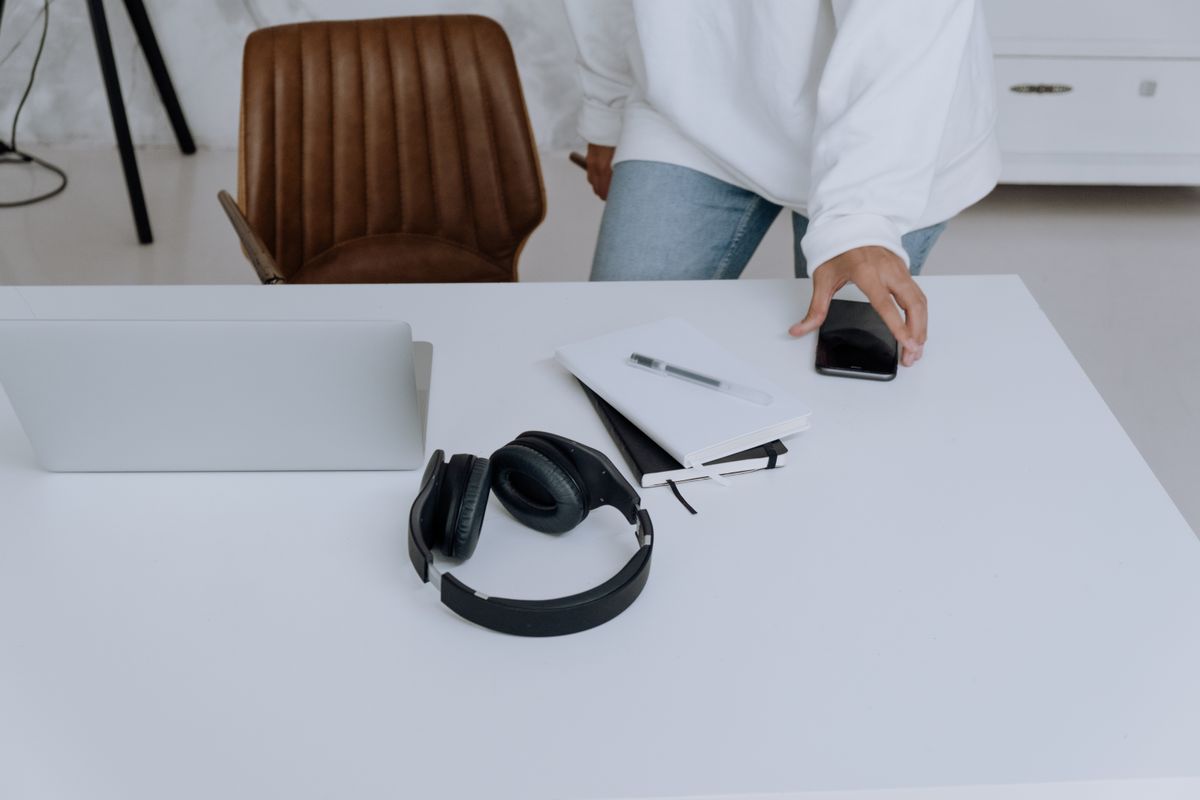
Choose travel headphones around long wear, charging, seat-back connections, bag space, and quick conversations rather than noise-canceling claims in isolation.
Our advice is based on published information and the use cases explained below. Manufacturer links in this guide are ordinary links, not paid placements. How links work.

Choose travel headphones for the full journey: wearing comfort, reliable charging, understandable controls, and a practical backup connection. Noise cancellation is useful to consider, but it does not make the surroundings silent or replace attention to announcements. TechPixl Editorial would prioritize fit and a workable travel routine before premium formats, and verify airline and product instructions before relying on any wireless or wired feature.
Think beyond the hours in the seat
A long travel day begins before boarding. You may use headphones on a train, remove them at security, make a call at the gate, and pack them away during a meal. A pair that is pleasant in a chair can still be awkward when you are managing luggage. Decide whether you want a compact earbud case or have space for a protective over-ear case in your personal item.
Keep the case accessible rather than buried beneath clothes. Quick storage matters when someone needs to speak with you or an announcement requires attention. The ability to remove headphones without rearranging your whole bag is a practical feature that never appears in an audio specification table.
Understand what cancellation can and cannot establish
Apple documents active noise cancellation and transparency modes on supported AirPods, while Bose describes the controls and listening modes of its QuietComfort headphones. These sources establish product features, not a comparison of how every traveler will perceive them. Fit, surrounding sound, and the way the product sits on your head remain relevant. Avoid interpreting a brand's processing name as a universal performance measurement.
Noise control does not guarantee silence, and ordinary consumer headphones should not be treated as protective equipment for hazardous sound. Keep playback at a sensible volume and remove or pause it when you need to hear staff, other travelers, or safety instructions. Comfort and awareness remain part of the decision.
Check the connection you may need later
A flight may offer a seat-back screen with a physical audio socket, while your phone relies on wireless audio. Confirm whether the headphones support the connection you want and what happens when the battery is empty. Some features can depend on power even during wired use. Check the exact manual instead of assuming a headphone cable makes every function available.
If an adapter is required, identify the socket and buy a compatible one before departure. A wireless transmitter is another device to charge and configure, so it may be unnecessary for a traveler who rarely uses onboard entertainment. Follow the carrier's current instructions for Bluetooth and electronic-device use rather than relying on previous trips.
Comfort needs time, not a quick impression
For over-ear designs, consider pressure around glasses, cushion heat, headband position, and how easily you can rest against a seat. For earbuds, check the seal and whether you can tolerate the tips for extended periods. A product that feels secure during a short walk is not automatically comfortable for a long seated journey.
A reasonable return period is especially useful here. Within permitted conditions, assess the fit during normal desk work before traveling. If you repeatedly remove the headphones because of pressure or irritation, more ambitious noise-control features are unlikely to make them a good purchase for an even longer flight.
Plan charging and backup realistically
Battery claims depend on conditions such as listening mode and usage. Compare the manufacturer's stated assumptions, then allow margin for calls, delays, and forgetting to charge after arrival. Check whether the same cable can charge your phone and headphones, and whether your travel charger has enough ports. A simple shared cable routine may be more valuable than a small advertised runtime advantage.
Download appropriate audio before departure if your services allow it, and check playback before leaving reliable internet. This is separate from the headphone purchase but often determines whether the journey is enjoyable. Keep a plan for interruptions: a dead phone, missing cable, or unavailable onboard connection should not turn into pressure to buy accessories at the gate.
Make a travel-specific shortlist
Choose compact earbuds if saving space is essential and the fit works for you. Choose over-ear headphones if sustained comfort and easily reached controls make them more suitable for long seated use. Keep a pair you already own when replacement cushions, tips, or a better charging habit solve the main problem. A trip does not require a complete audio upgrade.
Before purchasing, verify current product details, supplied cables, and return terms. TechPixl Editorial would rank fit, charging simplicity, and useful connection options ahead of decorative finishes or codec claims. The goal is a predictable companion for a complicated day, with enough flexibility to handle delays and ordinary conversations along the way.
Choose for the way you use it
| Use case | Look for | Tradeoff |
|---|---|---|
| One small personal bag | Compact earbuds and protected case | Small parts and fit sensitivity |
| Long seated journey | Comfortable cushions and accessible controls | Larger storage case |
| Seat-back entertainment | Documented wired or adapter path | Extra cable or device to manage |
Before you buy
- Verify whether wired playback requires battery power.
- Check long-wear comfort with your glasses.
- Confirm included cables and any seat-back adapter needs.
- Read the carrier's current electronic-device instructions.
Common questions
Will cancellation make an airplane silent?
No. It changes the listening environment but does not eliminate every sound. Fit and conditions vary, and you still need to attend to announcements and staff.
Can I rely on maximum advertised battery life?
Treat it as a figure under the manufacturer's stated conditions. Allow margin for different modes, calls, charging habits, and travel delays.
Sources & further reading
Official information consulted October 19, 2026. Buying recommendations and use-case judgments are TechPixl editorial analysis.