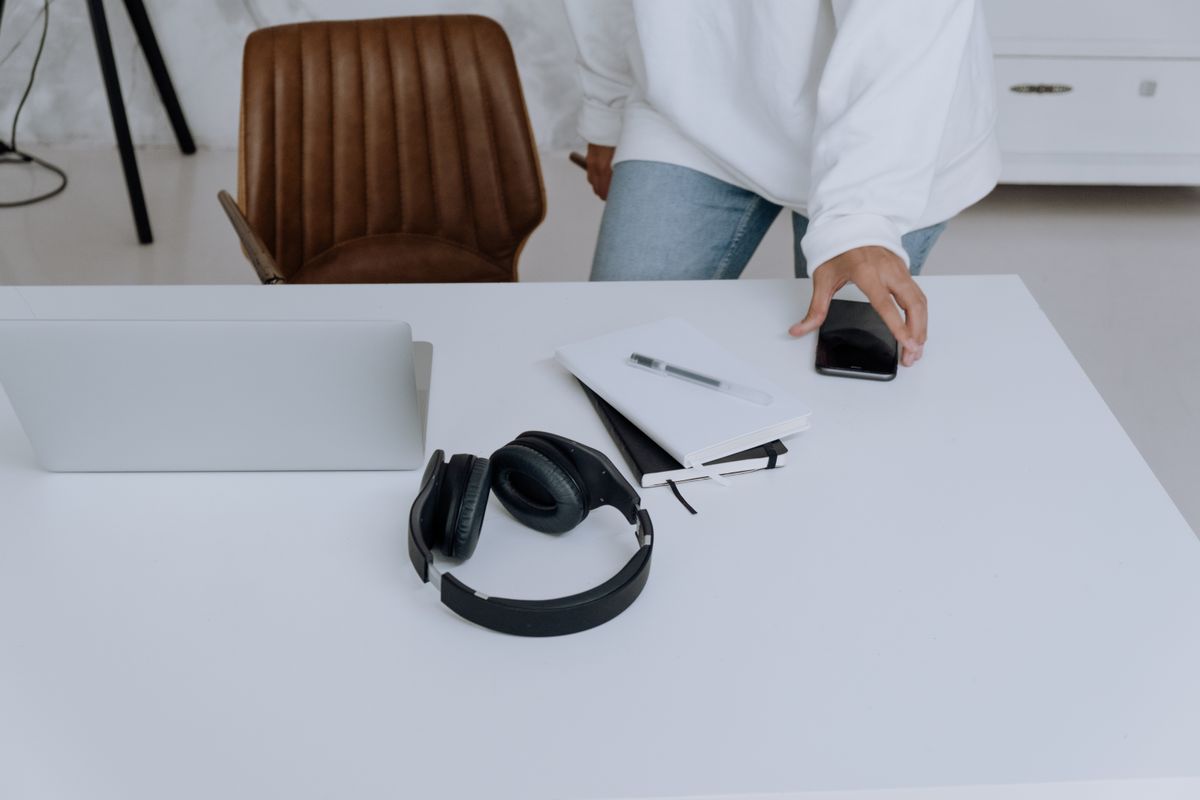
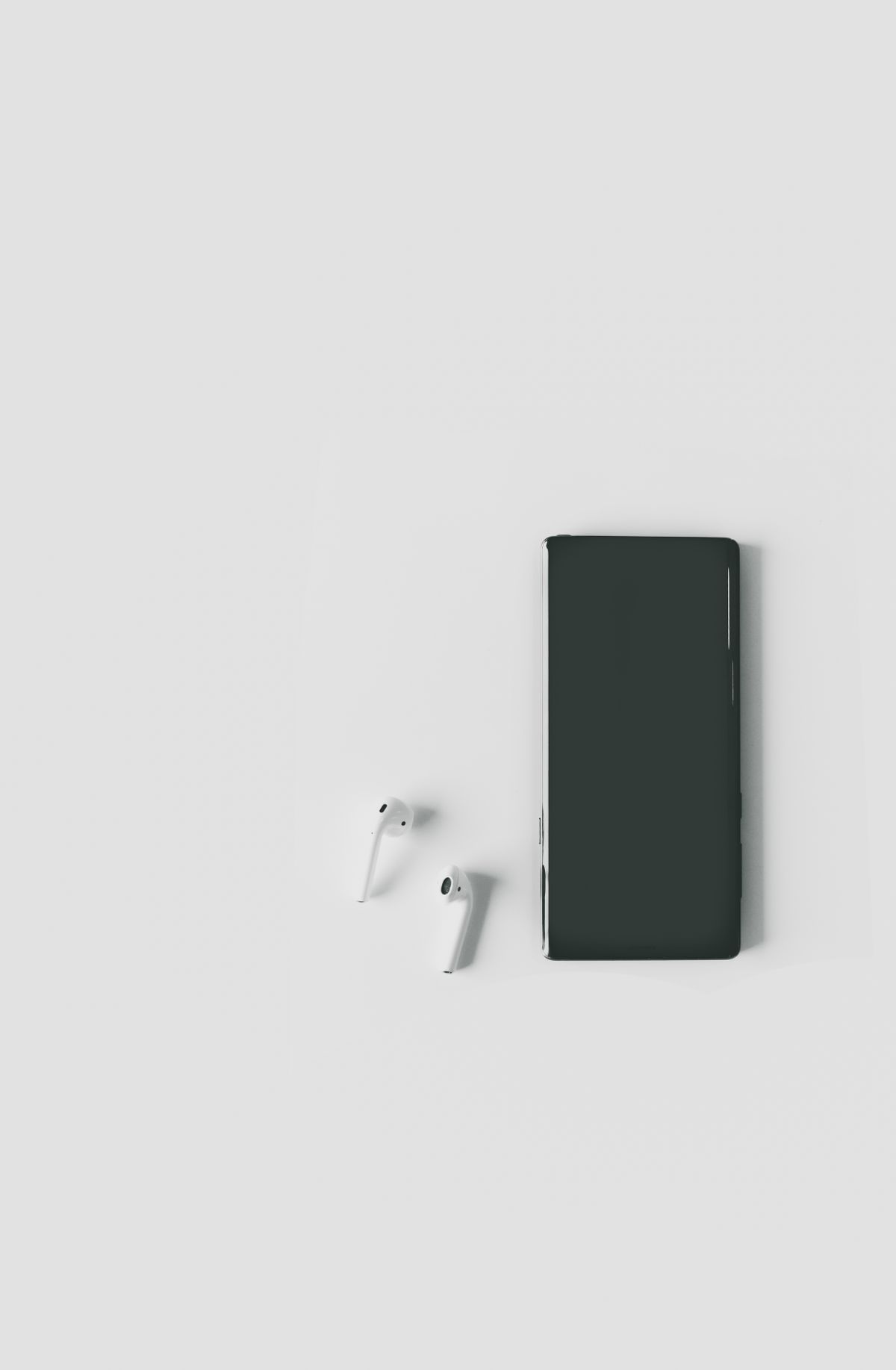
Choose commuter audio around your actual journey: crowded trains, walking breaks, office calls, pocket space, and the fit you can comfortably wear every day.
Our advice is based on published information and the use cases explained below. Manufacturer links in this guide are ordinary links, not paid placements. How links work.

Choose earbuds when pocketability and frequent removal matter most, and over-ear headphones when longer seated listening makes their larger fit worthwhile. Neither shape guarantees comfortable noise cancellation or clear calls. TechPixl Editorial recommends deciding from your route and fit first, then comparing the exact model's published connections, controls, and charging requirements. These are purchasing judgments based on documentation, rather than hands-on test results.
Start with the difficult part of your route
Picture a weekday that begins with a ten-minute walk, continues on a crowded train, and ends with a call outside the office. Each part asks something different from your audio. On the walk, accessible controls and the ability to pause quickly are useful. On the train, a consistent fit can matter more than a long list of codecs. At the office entrance, putting everything away without occupying both hands becomes the priority.
Write down the moment your existing pair is most frustrating. A charging case that disappears into a coat pocket solves a different problem from cushioned earcups during an hour of seated listening. Buying around that single recurring inconvenience is often more productive than buying the most expensive model in a product family.
Treat fit as part of the sound
Apple's support guidance notes that active noise cancellation works best when supported AirPods Pro fit well. The broader buying lesson is to assess the contact between the product and your head or ears before assuming a specification describes your experience. Ear tips that loosen while talking can change the seal. Earcups may press differently when worn with glasses, a winter hat, or the hairstyle you normally commute with.
Check the return policy before opening a personal audio product. Compare included tip sizes, replacement cushions, and available fit adjustments. If you cannot tolerate an in-ear seal for long periods, a compact case is unlikely to compensate. Equally, bulky headphones are a poor purchase if you routinely leave them home because the carrying case consumes your bag.
Noise control has several jobs
Noise cancellation, transparency modes, and a physical seal address different listening needs. Apple's documentation describes cancellation and transparency as selectable listening modes on supported models. Do not interpret a transparency feature as permission to ignore traffic, station announcements, or your surroundings. Pause playback and remove the product when attention is needed, and keep listening volume modest rather than using loud music to overpower the journey.
A traveler who mainly wants spoken podcasts may prioritize intelligibility and quick mode switching. A commuter who listens only during the seated part can choose a pair that is comfortable there and stow it for crossings. This changes what is worth paying for: a reachable button may improve your week more than a rarely supported audio format.
Calls and switching deserve their own check
A pair can suit music while still being awkward for work calls. Confirm how the exact model switches between a phone and computer, whether simultaneous connections are supported, and which features depend on a particular operating system. Bluetooth's LE Audio documentation explains capabilities of a standard; it does not establish that every Bluetooth product implements them. Match claimed features across your source device and headphones instead of relying on a Bluetooth version number alone.
Also think about etiquette. If you take calls near other passengers, a quiet speaking voice and a brief call may be more practical than demanding that processing remove every surrounding sound. Check whether mute is available on the hardware or only within a conferencing application.
Budget for ownership, not just the box
Earbuds require a routine for the buds and their case. Over-ear headphones require space, cushion care, and a way to protect them in a crowded bag. Look up replacement ear tips, cushions, charging cables, and the manufacturer's process for lost parts. Battery claims use specified conditions, so compare like with like and leave room for calls, noise-control settings, and longer-than-usual journeys.
Avoid buying accessories before verifying what comes in the package. A spare cable already shared with your phone can be useful; an extra transmitter may be unnecessary. Favor a manageable charging habit over chasing the longest advertised runtime. The pair that is ready when you leave is worth more than impressive endurance you never organize yourself to use.
Make the purchase match the week
For mixed walking and transit, begin with compact earbuds that have a comfortable fit and understandable controls. For long train rides followed by desk work, consider over-ear headphones if your bag can accommodate them. For occasional journeys, keeping your current pair and replacing worn tips or cushions may be the better decision. There is no need to upgrade every device in the chain.
Use the official product and support links to confirm the model's current features and included accessories before purchasing. TechPixl Editorial would spend first on fit, then on reliable switching, and finally on optional sound features. A return window remains especially valuable because documentation cannot tell you how a particular shape feels after your actual commute.
Choose for the way you use it
| Use case | Look for | Tradeoff |
|---|---|---|
| Short mixed journeys | Pocketable case and easy pause control | Small parts need careful storage |
| Long seated commute | Comfortable earcups and practical case | More bag space |
| Phone plus laptop | Verified switching support | Features can vary by operating system |
Before you buy
- Check fit while wearing your everyday glasses or hat.
- Confirm return terms for opened headphones.
- Read the exact model's phone and laptop switching instructions.
- Verify replacement tips or cushions are available.
Common questions
Are over-ear headphones always better at cancellation?
No. Form factor alone does not establish performance. Fit, seal, processing, and the surrounding sound all matter; compare the exact product and prioritize a return option.
Should I buy only for a Bluetooth version number?
No. Confirm the individual features supported by both devices. A newer version label does not establish every optional capability or solve a poor fit.
Sources & further reading
Official information consulted October 19, 2026. Buying recommendations and use-case judgments are TechPixl editorial analysis.